Formulation - 3 min read
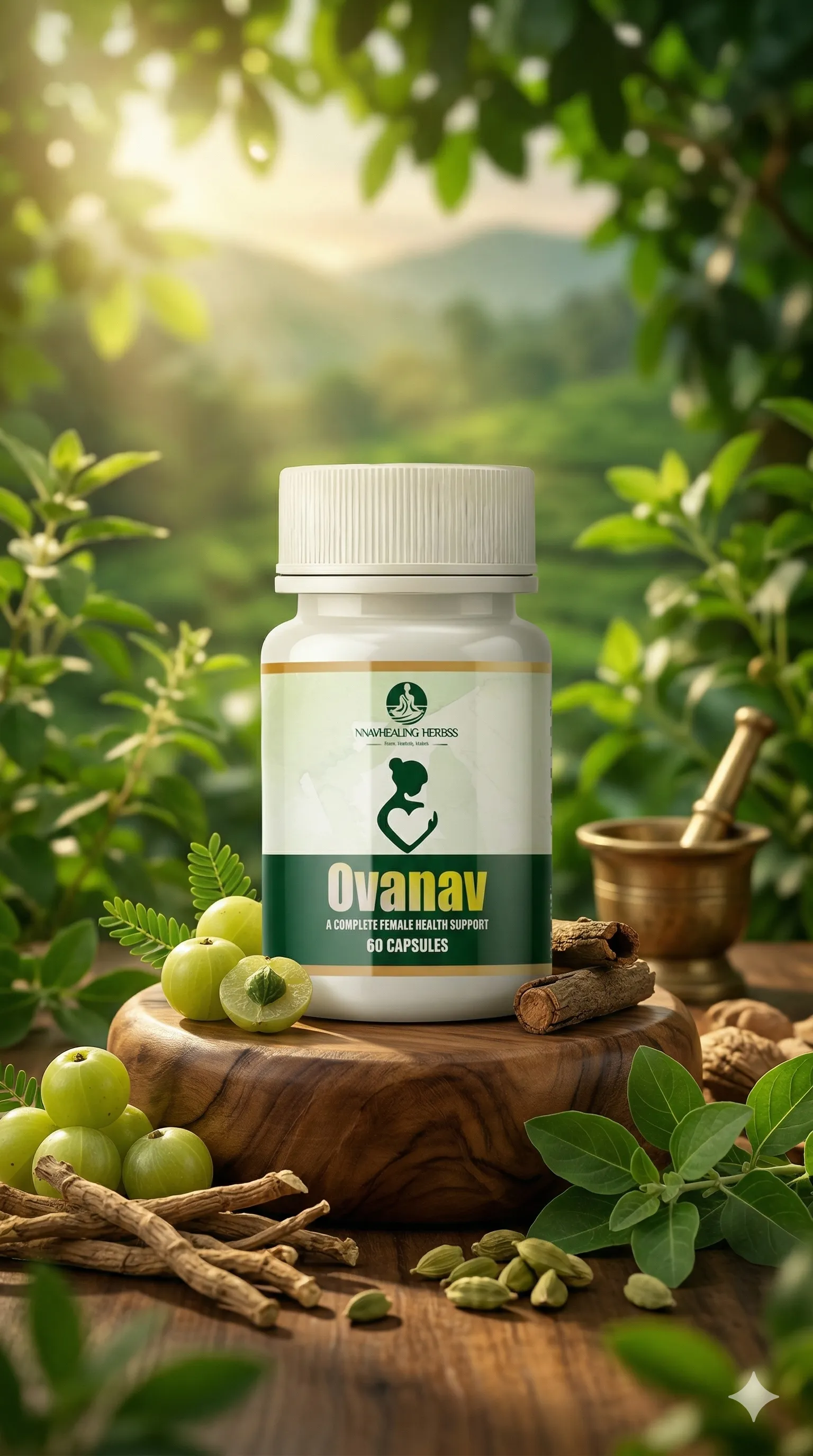
Ovanav ingredients explained: Shatavari, Ashoka, Lodhra and Ashwagandha — what each herb is traditionally used for, how much is in each capsule, and what a 90-day plan looks like.

Formulation - 3 min read
Why a syrup and not a capsule? How Draksha, Lohabhasma and Amla rebuild rakta dhatu — and why the form of medicine matters as much as the ingredients.
Formulation - 4 min read
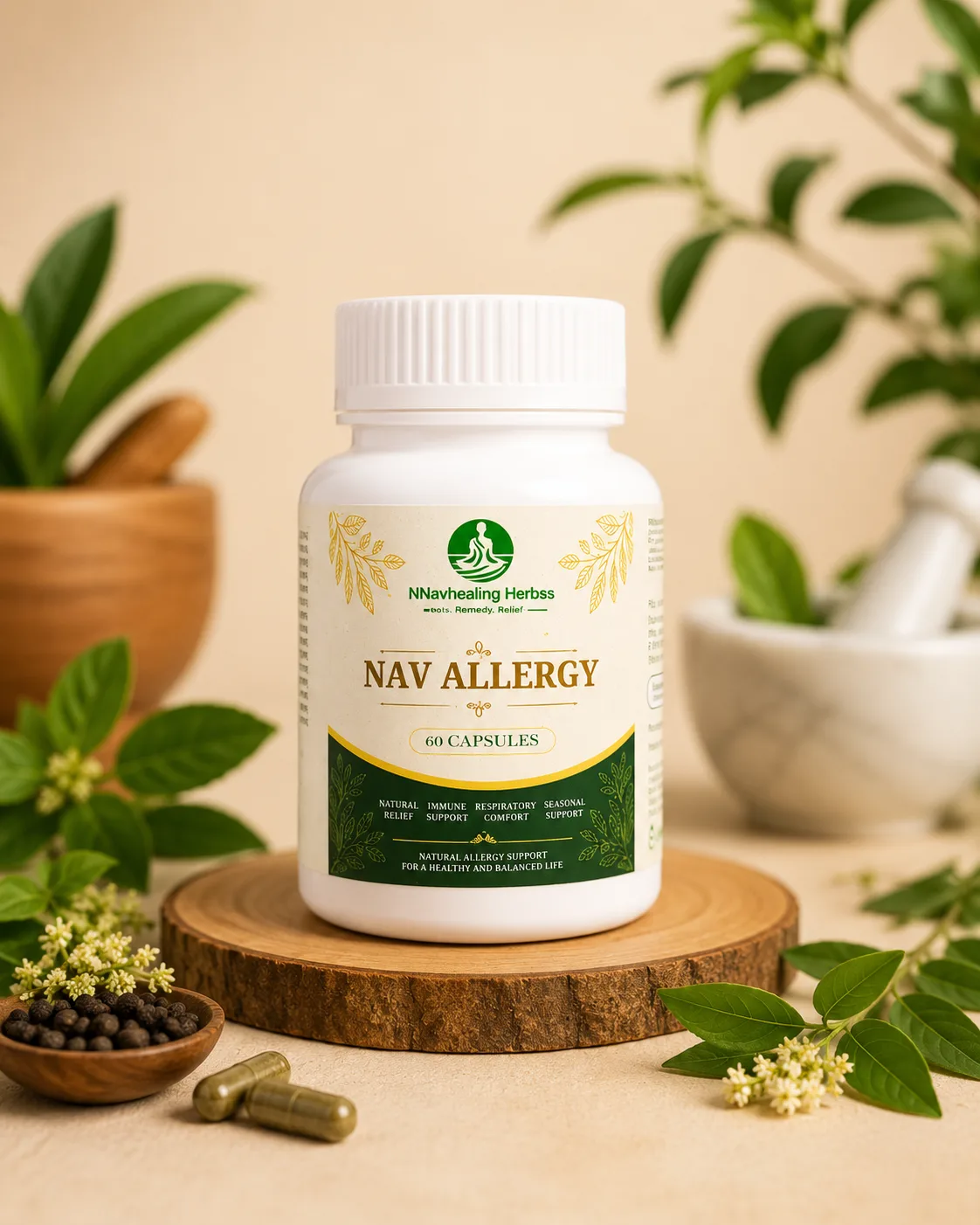
Vasa, Haridra, Manjistha and Tulsi — four herbs targeting the three levels of allergic disease: the blood, the airways, and the immune response.
Formulation - 3 min read
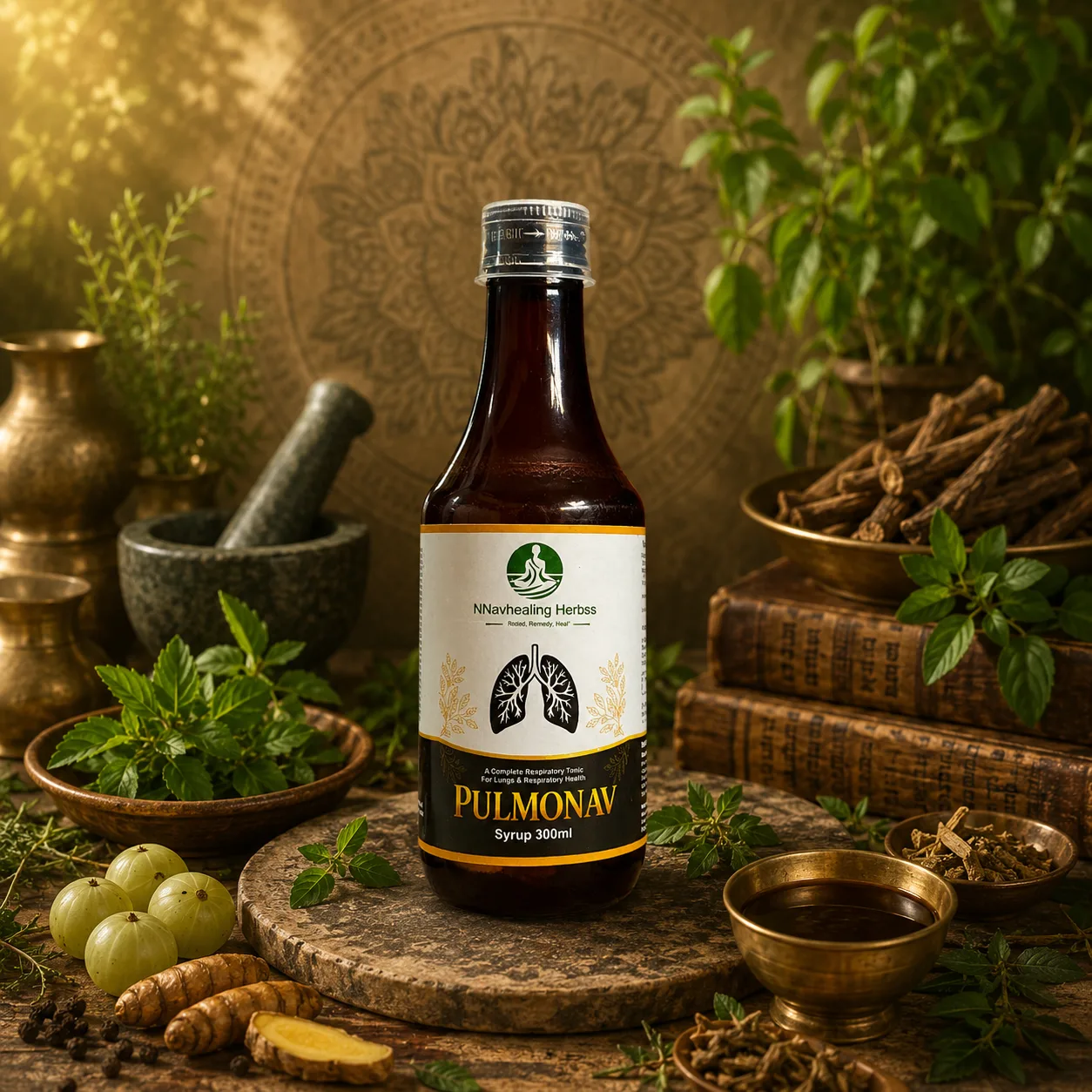
A respiratory tonic built on Amla, Giloy, Mulethi and Vasa — what each key herb does, and why the syrup format is the classical choice for lung health.

Clinical - 3 min read
A PCOS diagnosis explains what is happening. Ayurveda asks why — and that question changes everything about how the condition is treated.
Clinical - 3 min read
Antihistamines suppress the reaction. They do not address the terrain that makes the reaction possible. Ayurveda starts from the other end.

Clinical - 3 min read
Modern immunology and classical Ayurveda agree on more than people realise. The gut is where both start the conversation.
Evidence - 4 min read
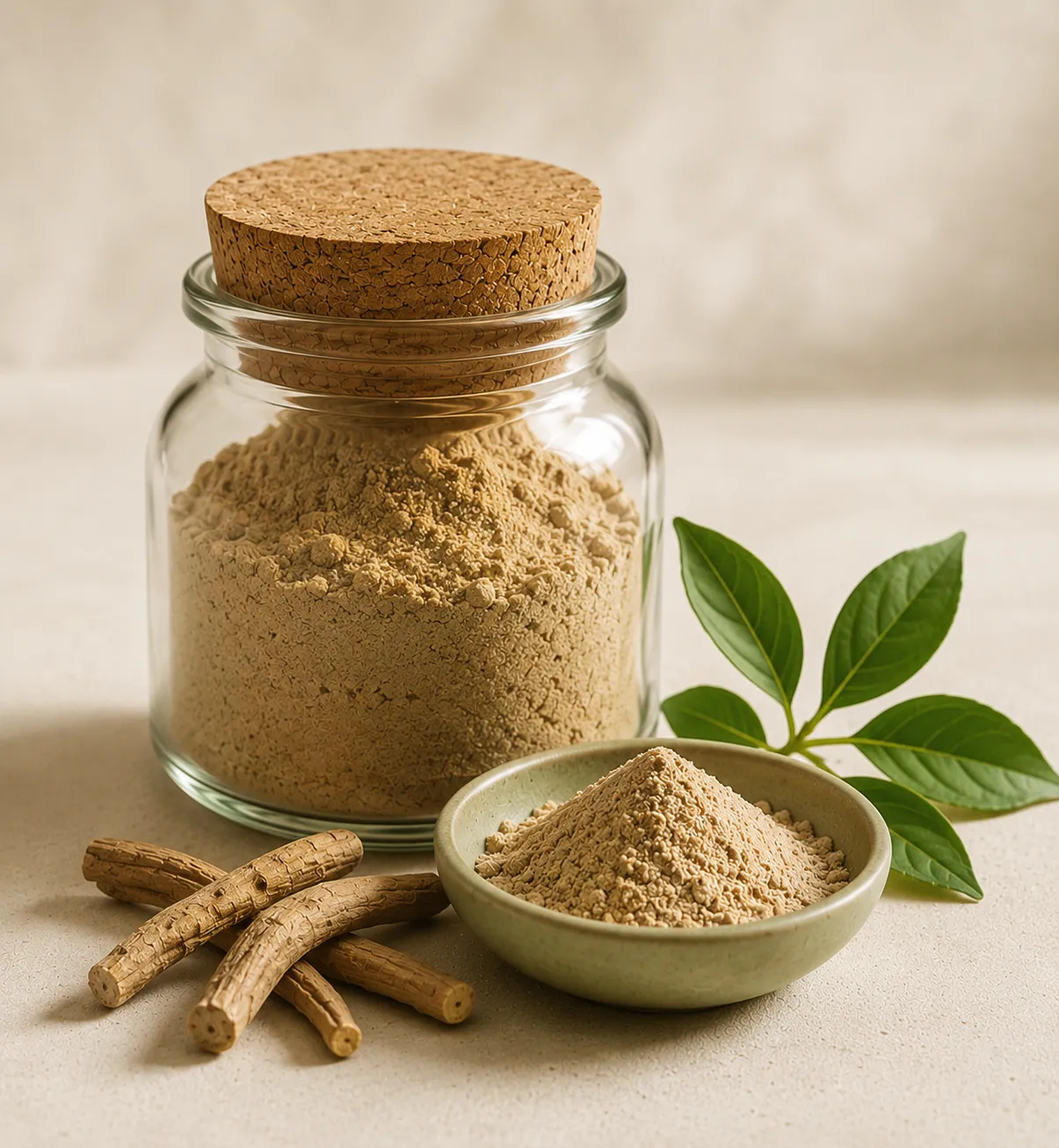
Shatavari is a classical Ayurvedic herb for women’s health and the main ingredient in Ovanav. A 2026 placebo-controlled trial tested it in women with PCOS. Here is what it found, what it did not, and how to use Shatavari sensibly.

Clinical - 2 min read
Nadi pariksha is the most undertaught skill in modern Ayurvedic practice. Notes from years of letting the wrist tell the truth.